

Metamorphic Rocks: Formation, Characteristics, and Examples
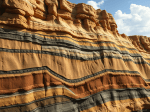
Metamorphic rocks are transformed versions of pre-existing igneous or sedimentary rocks that undergo alteration due to heat, pressure, or a combination of both. These geological processes cause changes in mineral composition and texture, leading to the formation of new rock types.
Formation of Metamorphic Rocks
When subjected to high temperatures and pressures, some minerals in the original rock become unstable and are replaced by new minerals that are stable under metamorphic conditions. Quartz, feldspar, and hornblende, for example, remain stable in both igneous and metamorphic environments. In addition to mineral changes, metamorphism can result in new textures and structural patterns.
- Some rocks retain recognizable features after metamorphism, such as:
- Quartzite (formed from sandstone)
- Slate (formed from clay or shale)
- Others undergo extensive alteration, forming rocks such as:
- Gneiss (from granite)
- Schist (from shale, slate, or basalt)
Common Metamorphic Rocks and Their Origins
| Mineral Composition | Original Rock | Metamorphic Rock |
|---|---|---|
| Sand | Sandstone | Quartzite |
| Clay | Shale | Slate, Mica-Schist |
| Calcium Carbonates | Limestone | Marble |
| Mudstone | Argillite | Slate, Schist |
| Granite | – | Gneiss |
| Basalt | – | Amphibolite |
Types of Metamorphism
- Contact Metamorphism – Occurs when rocks are altered due to high temperatures near magma intrusions.
- Regional Metamorphism – Results from high pressure and temperature over large areas, typically associated with mountain-building processes.
Conclusion
Metamorphic rocks provide insight into Earth’s dynamic geological processes. Their formation through heat and pressure leads to new mineral compositions and textures, resulting in diverse rock types used in construction, sculpture, and industrial applications.




Leave a comment