

Strata-Bound Deposits
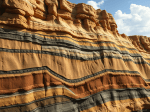
Strata-bound deposits are mineral deposits confined to specific layers or strata of rock. These deposits are typically associated with sedimentary or volcanic environments and are characterized by their lateral continuity and stratigraphic control. Several major types of strata-bound deposits include:
Types of Strata-Bound Deposits
- Sedimentary Exhalative (SedEx) Deposits: Formed from hot fluids exsolving from volcanic or hydrothermal systems, which deposit minerals in sedimentary rock layers. Examples include sedimentary copper and lead-zinc deposits.
- Skarn Deposits: Result from the alteration of limestone or dolostone by hot, mineral-rich fluids, leading to the precipitation of iron, lead, zinc, and other metals. Notable examples include the iron-copper skarns of the American Cordillera and the lead-zinc-silver skarns of the Mediterranean region.
- Volcanogenic Massive Sulfide (VMS) Deposits: Formed in submarine volcanic environments through the precipitation of sulfide minerals from hydrothermal fluids. Examples include the massive sulfide deposits of the Iberian Pyrite Belt and the Noranda deposits in Canada.
- Stratiform Copper Deposits: Copper deposits that occur in sedimentary rocks with a stratiform shape. Major examples include the Central African Copperbelt and the Kupferschiefer deposits of Poland.
Common Minerals in Strata-Bound Deposits
Minerals frequently found in strata-bound deposits include:
- Sulfides: Pyrite, sphalerite, chalcopyrite
- Oxides: Hematite, magnetite
- Carbonates: Siderite, calcite
- Silicates: Garnet, epidote




Leave a comment