
Sedimentary Rocks
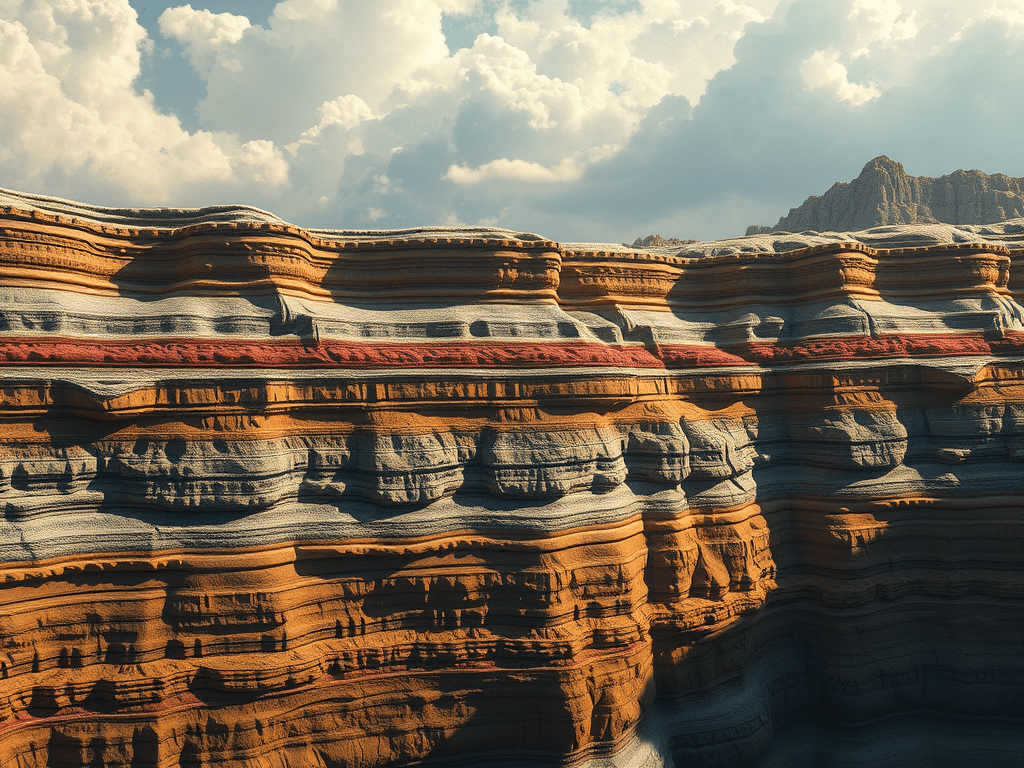
Sedimentary rocks include all rocks formed by deposition in beds or layers (strata) of material derived from older rocks. They also include rocks formed by chemical or organic processes. The materials may be transported by water, wind, or glaciers, as seen in sandstone and shale formation. These rocks often form in riverbeds, seabeds, and basins or depressions on the Earth’s surface.
The consolidation of loose sediments into hard rock occurs due to the deposition of cementing materials within the spaces between particles. The chief cementing materials include minerals finely spread throughout the rock. The color of sedimentary rocks may change due to atmospheric effects, primarily water.
Formation and Structure
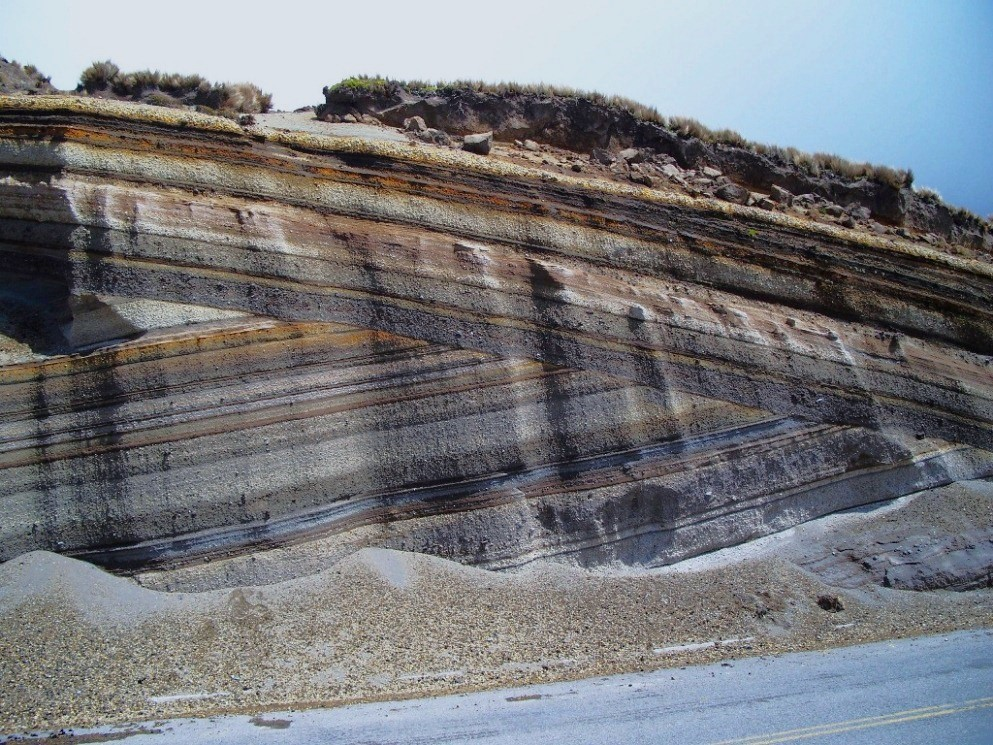
- Deposition: Sedimentary rocks usually form in horizontal layers. However, due to earth movements like earthquakes, they can tilt from their original position.
- Alluvium: A loose or unconsolidated deposit resulting from the weathering of bedrock. The Indo-Gangetic plain has a thick alluvial layer several thousand meters deep.
- Organic Sedimentary Rocks: Some sedimentary rocks originate from plant or animal remains, such as coal and some forms of limestone.
- Chemical Sedimentary Rocks: Some sedimentary rocks form through the precipitation of dissolved materials, e.g., limestone, ironstone (hematite), and gypsum.
- Stalactites and Stalagmites: These carbonate formations result from water dripping in caves, depositing minerals over time.
Important Features
Placers
These are loose, sandy-clay, sandy-gravel, or similar formations containing valuable minerals or metals such as gold, platinum, or tinstone.
Seam Structure
- Floor: The rock beneath a seam.
- Roof: The rock above a seam.
- Wall Rocks: In metal mining, the rocks surrounding an orebody. The rock above the ore body is called the hanging wall, and the rock below is the footwall.
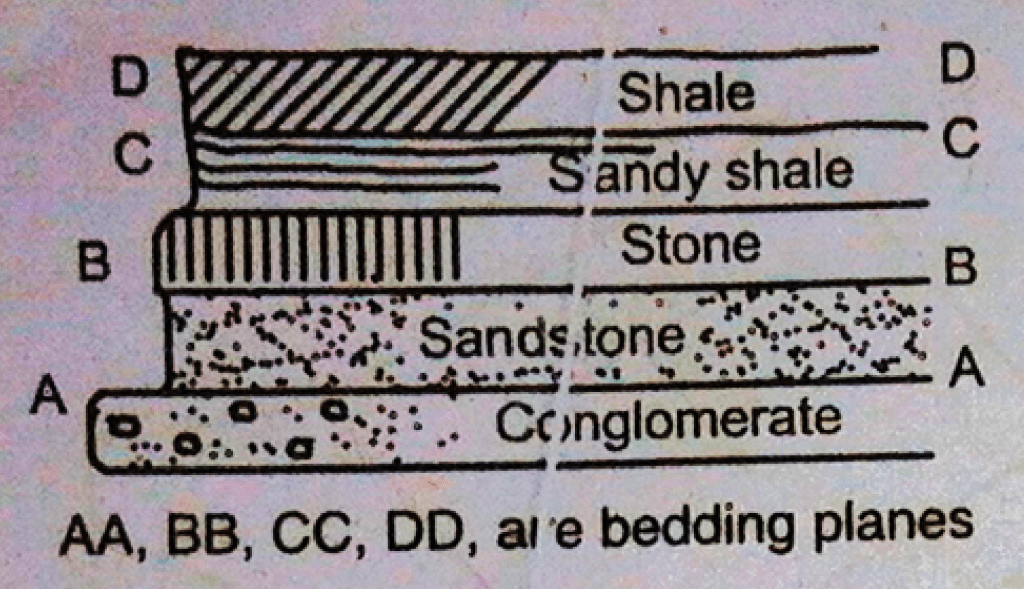
Bedding Plane
A bedding plane is the junction between two beds of sedimentary rock, marking a surface of weakness along which splitting is easier.
Dip and Strike
- Strike: A level line on a rock bed’s surface, acting like a contour line.
- Dip: The steepest line in an inclined rock surface, always at right angles to the strike.
- Apparent Dip: Any dip between the strike and the true dip.

Unconformity
- Conformable Strata: When rock layers are deposited one over the other without interruption.
- Unconformable Strata: When newer rocks are deposited on an eroded older surface. The plane of contact is called an unconformity, which is identified by:
- Differences in dip between the rock layers.
- Presence of conglomerates at the base of the upper series.
Types of Sedimentary Rocks
- Conglomerate – Formed from rounded pebbles embedded in finer-grained material. If pebbles are angular, the rock is breccia.
- Sandstone – Composed of quartz particles cemented together, usually by silica or calcite. It is porous and commonly found in coalfields.
- Shale – Primarily made of clay with a fine texture, easily split into thin leaves along bedding planes.
- Fireclay – A refractory clay capable of withstanding high temperatures without softening.
- Laterite – A red, ferruginous, porous clay formed by weathering of basalt, mica schist, or gneiss.
- Limestone – Composed mostly of calcium carbonate (CaCO3), formed from organic shells or precipitated from solutions.
- Dolomite – Contains both calcium carbonate (CaCO3) and magnesium carbonate (MgCO3) in various proportions.
Fossils
Fossils are preserved remains or traces of ancient plants and animals found in sedimentary rocks. Their study provides insights into:
- Past climates.
- The nature of ancient environments (freshwater, marine, or terrestrial deposits).
- The relative age of rock layers.
- Ancient geography, including the positions of continents and seas.
- Evolutionary history of life on Earth.
Although the Earth is estimated to be over 4 billion years old, human fossils appear only within the last million years. Fossils are commonly found in sedimentary rocks such as limestone and shale, but rarely in igneous rocks.




Leave a comment