
Table of Contents
- Key Points
- Direct Answer
- Comprehensive Analysis of Excessive Groundwater Withdrawal Issues
- Key Citations
Key Points
- Research suggests excessive groundwater withdrawal lowers water tables, increases costs, and causes land subsidence.
- It seems likely that this practice reduces surface water, harms water quality, and damages ecosystems.
- The evidence leans toward significant impacts in regions like the Ogallala Aquifer (US) and Iran, with depletion affecting agriculture and infrastructure.
- Controversy exists around balancing water use for farming versus sustainability, with varying regulatory approaches globally.
Direct Answer
Excessive groundwater withdrawal, where water is pumped from underground faster than it can naturally recharge, causes several problems that affect both people and the environment. Here’s a breakdown for easy understanding:
What Happens When We Take Too Much Groundwater?
- Lower Water Levels: The water table drops, making wells dry up and requiring deeper, costlier drilling. For example, the Ogallala Aquifer in the US has seen drops of over 100 feet in some areas, threatening farming (Ogallala Aquifer Depletion).
- Higher Costs: Pumping water from deeper levels uses more energy, raising costs for farmers and communities, especially in dry regions.
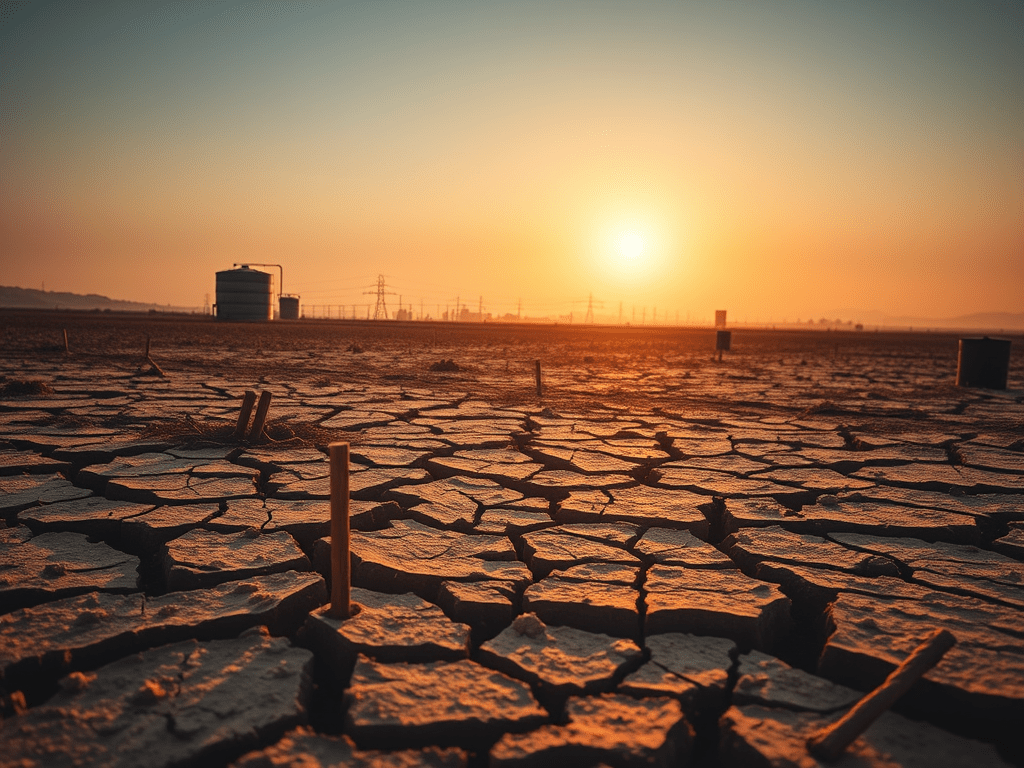
- Land Sinking: The ground can sink, damaging roads, buildings, and pipelines. In Iran, land is subsiding at rates over 10 cm per year due to over-pumping, affecting infrastructure (Cracks and Sinkholes in Iran).
- Less Surface Water: It reduces river and lake levels, impacting ecosystems and water availability for other uses, as groundwater and surface water are connected.
- Poorer Water Quality: In coastal areas, it can pull saltwater into freshwater, making it undrinkable. Inland, it can mobilize contaminants, affecting safety for drinking and irrigation.
- Ecosystem Harm: Plants and animals relying on groundwater suffer, leading to biodiversity loss and ecosystem disruption, like drying wetlands.
Real-World Examples
- In the US, the Ogallala Aquifer supports much of the Midwest’s agriculture, but depletion is reducing crop yields and increasing costs for farmers.
- In Iran, about 77% of the land faces extreme overdrafts, causing soil salinity and water scarcity, with long-term economic and environmental consequences (Anthropogenic Depletion of Iran’s Aquifers).
Unexpected Detail
While most focus on immediate impacts like dry wells, the slow recharge of aquifers—sometimes taking thousands of years, like the Ogallala’s fossil water—means depletion can have irreversible effects, challenging future generations.
To address this, strategies like efficient irrigation, stricter regulations, and enhancing aquifer recharge are being explored, but balancing water needs for farming and sustainability remains a global challenge.
Comprehensive Analysis of Excessive Groundwater Withdrawal Issues
Excessive and irregular withdrawal of groundwater, defined as extracting water from underground aquifers at a rate surpassing their natural replenishment, poses significant challenges to environmental sustainability, economic stability, and social well-being. This analysis expands on the direct answer, providing a detailed examination of the problems, supported by specific examples, and exploring mitigation strategies, with a focus on regions like the Ogallala Aquifer in the United States and Iran.
Background and Importance
Groundwater is a critical resource, supplying drinking water for about half the US population and nearly all rural areas, while also supporting over 50 billion gallons per day for agriculture (Groundwater Decline and Depletion). Globally, it accounts for 70% of irrigation water use, making it vital for food security. However, when withdrawal exceeds recharge, it leads to depletion, with long-term consequences for both human and natural systems.
Detailed Problems Caused by Excessive Withdrawal
- Lowering of the Water Table:
- Research indicates that sustained pumping lowers the water table, the level below which the ground is saturated. This can lead to dry wells, especially during droughts, as seen in the Columbia Plateau where basalt aquifers have declined due to pumping (Groundwater Overuse and Depletion).
- In the Ogallala Aquifer, water levels have dropped significantly since the mid-20th century, with some areas losing over 100 feet, making wells less productive and requiring deeper drilling (The Ogallala Aquifer: Saving a Vital U.S. Water Source).
- Increased Costs:
- As the water table drops, the energy needed to pump water increases, raising operational costs. This is particularly burdensome for farmers, especially in regions with low profit margins. For instance, in Kansas, part of the Ogallala region, costs have risen as wells must reach deeper levels (Farmers are depleting the Ogallala Aquifer because the government pays them to do it).
- In extreme cases, the cost can become prohibitive, forcing some users to abandon wells or switch to less water-intensive crops.
- Reduced Surface Water Supplies:
- Groundwater and surface water are hydrologically connected, meaning excessive withdrawal can reduce streamflow and lake levels. This affects ecosystems, hydropower generation, and other water-dependent industries. Studies show that in Minnesota, groundwater withdrawal peaks in spring and summer for agriculture, often lowering levels below lake levels, impacting flow dynamics (Hydrology- Water Withdrawal).
- This interconnection is critical in arid regions, where surface water scarcity exacerbates the impact of groundwater depletion.
- Land Subsidence:
- Excessive pumping can compact aquifer materials, causing the ground surface to sink. This phenomenon, known as land subsidence, damages infrastructure like roads, buildings, and pipelines. In California’s San Joaquin Valley, subsidence has reached tens of feet due to historical over-pumping (Reading: Groundwater Withdrawal).
- In Iran, satellite data from 2014 to 2020 shows subsidence rates exceeding 10 cm per year in some areas, affecting key infrastructure like airports and roads, driven by irrigation demands (Cracks and Sinkholes in Iran).
- Deterioration of Water Quality:
- In coastal areas, over-pumping can cause saltwater intrusion, where seawater migrates inland, contaminating freshwater aquifers. This is a significant issue in developed coastal regions like Hawaii, where it affects drinking and irrigation water (USGS Fact Sheet on Groundwater Depletion).
- Inland, withdrawal can mobilize naturally occurring contaminants like arsenic or concentrate pollutants, degrading water quality. In Iran, increased soil salinity due to groundwater depletion has been documented, affecting agricultural productivity (Anthropogenic Depletion of Iran’s Aquifers).
- Ecosystem Damage:
- Reduced groundwater levels can harm plants and animals dependent on aquifers, leading to biodiversity loss and ecosystem disruption. For example, in the US, the Ogallala Aquifer’s depletion has impacted vegetation and wildlife, particularly in dry regions (National Climate Assessment: Great Plains’ Ogallala Aquifer drying out).
- In Iran, the decline in groundwater recharge has exacerbated the depletion of aquifers, threatening wetlands and other ecosystems critical for biodiversity (Decline in Iran’s Groundwater Recharge).
Case Studies: Ogallala Aquifer and Iran
- Ogallala Aquifer (United States):
- Spanning eight states from South Dakota to Texas, the Ogallala Aquifer is a major irrigation source, supplying about one-third of US irrigation water. However, withdrawal rates far exceed recharge, with estimates suggesting up to 40% may be unable to support irrigated crop production within 80 years (Depleting the Ogallala Aquifer).
- Since 1950, agricultural irrigation has reduced the saturated volume by an estimated 9%, and in some areas, like Kansas, “Day Zero”—when wells run dry—has already arrived for 30% of the aquifer (Farmers are depleting the Ogallala Aquifer because the government pays them to do it).
- Efforts to mitigate include water conservation practices like center pivot irrigation and crop rotation, but depletion continues, with some projections indicating 70% depletion within 50 years (The Ogallala Aquifer: When will the wells run dry? What then?).
- Iran:
- Iran is a global hotspot for groundwater depletion, with studies estimating a total loss of ~74 km³ between 2002 and 2015, affecting 77% of its land area (Anthropogenic Drought Dominates Groundwater Depletion in Iran).
- The primary driver is extensive human withdrawal for agriculture, exacerbated by climate change and poor water management. This has led to land subsidence, with rates over 10 cm per year in some regions, and increased soil salinity, threatening food security (Estimation of Groundwater Depletion in Iran’s Catchments Using Well Data).
- The country faces a water bankruptcy state, with annual deficits over 30 billion cubic meters, and projections suggest renewable water resources could halve by 2041, raising concerns as the population is expected to exceed 100 million (A Thirsty Reality: Iran’s Dire Water Situation).
Comparative Analysis
To highlight the differences and similarities, consider the following table:
| Aspect | Ogallala Aquifer (US) | Iran |
|---|---|---|
| Main Cause | Agricultural irrigation, policy incentives | Agricultural irrigation, poor management |
| Depletion Rate | ~9% since 1950, up to 70% projected in 50 years | ~74 km³ lost 2002–2015, 77% land affected |
| Land Subsidence | Reported, especially in Texas and Kansas | Rates >10 cm/year, affecting infrastructure |
| Water Quality | Saltwater intrusion in coastal areas | Increased soil salinity due to depletion |
| Ecosystem Impact | Vegetation and wildlife affected | Wetlands and biodiversity threatened |
| Mitigation Efforts | Efficient irrigation, conservation practices | Limited, with focus on recharge enhancement |
This comparison underscores the global nature of the issue, with varying degrees of severity and response.
Mitigation Strategies and Future Outlook
Addressing excessive groundwater withdrawal requires a multifaceted approach:
- Water Conservation:
- Implementing efficient irrigation methods, such as drip irrigation, can reduce water use. In the US, center pivot irrigation has helped slow depletion in some Ogallala areas (Ogallala Aquifer Situation to Manage, Not Problem to Solve).
- Promoting water-saving practices in domestic and industrial sectors can also alleviate pressure on aquifers.
- Regulatory Measures:
- Establishing withdrawal limits and enforcing them through permits and monitoring is crucial. In Kansas, recent bills push groundwater districts to reduce use in severely depleted areas, marking a shift from planned depletion policies (With the Ogallala Aquifer drying up, Kansas ponders limits to irrigation).
- In Iran, stricter regulations are needed, given the current management challenges.
- Recharge Enhancement:
- Practices like rainwater harvesting and managed aquifer recharge can increase recharge rates. In Iran, enhancing surface water contributions to groundwater recharge is vital, given the decline of ~3.8 mm/yr nationwide (Decline in Iran’s Groundwater Recharge).
- Protecting natural recharge areas from development and pollution is also essential.
- Alternative Water Sources:
- Exploring treated wastewater, desalination (especially in coastal areas), and rainwater collection can reduce reliance on groundwater. For instance, desalination could help mitigate saltwater intrusion in coastal Iran.
The future outlook depends on global cooperation and local action. While some regions show recovery through conservation, the slow recharge of aquifers—sometimes taking thousands of years, as with the Ogallala’s fossil water—means depletion can have irreversible effects, challenging future generations. This unexpected detail highlights the urgency of sustainable management, particularly in arid regions where water stress is already high.
Conclusion
Excessive groundwater withdrawal is a pressing global issue, with significant impacts on water availability, infrastructure, and ecosystems. The Ogallala Aquifer and Iran exemplify the severity, with depletion threatening agriculture, economies, and environments. By implementing conservation, regulation, recharge enhancement, and alternative sources, societies can work towards sustainability, ensuring groundwater remains a viable resource for future generations.
Key Citations
- Groundwater Decline and Depletion U.S. Geological Survey
- Groundwater Overuse and Depletion The Groundwater Foundation
- Impacts of Groundwater Withdrawals for Irrigation Carleton College
- USGS Fact Sheet on Groundwater Depletion U.S. Geological Survey
- EPA Report on Ground Water U.S. Environmental Protection Agency
- Reading Groundwater Withdrawal Lumen Learning
- Rapid Groundwater Decline Globally Nature
- The Ogallala Aquifer Saving a Vital U.S. Water Source Scientific American
- Anthropogenic Depletion of Iran’s Aquifers Proceedings of the National Academy of Sciences
- Decline in Iran’s Groundwater Recharge Nature Communications
- Cracks and Sinkholes Appear Across Iran Amid Groundwater Crisis The Guardian
- Farmers are depleting the Ogallala Aquifer because the government pays them to do it The Conversation
- National Climate Assessment Great Plains’ Ogallala Aquifer drying out NOAA Climate.gov
- Depleting the Ogallala Aquifer EarthDate
- Ogallala Aquifer Situation to Manage, Not Problem to Solve AgriLife Today
- The Ogallala Aquifer When will the wells run dry? What then? MyHighPlains.com
- With the Ogallala Aquifer drying up, Kansas ponders limits to irrigation KCUR
- Anthropogenic Drought Dominates Groundwater Depletion in Iran Scientific Reports
- Estimation of Groundwater Depletion in Iran’s Catchments Using Well Data MDPI
- A Thirsty Reality Iran’s Dire Water Situation Atlantic Council
- Hydrology- Water Withdrawal Minnesota DNR





Leave a comment